🎣 Check out our universal aluminum bases

Ohio River Catfishing Guide: Mussel Beds, River Bends, and Blue Cats

Regional guide
Regional fishing changes with current, season, access, and landing room, so the best rod-holder layout depends on the water in front of the angler.
- Current, access, and seasonal movement set the starting point.
- Boat control, line angle, and landing room shape the rod spread.
- Local rules and day-of conditions decide how much gear fits.
The Ohio River can look simple from the bank or the ramp, but the catfish are usually relating to something specific: mussel beds, bends, current edges, barge lanes, ledges, or the first clean break beside deeper water. This guide keeps the fishing lesson first and brings Monster Rod Holders products in only where the setup problem calls for them.
Start with the river, not just the spot
Good Ohio River catfishing starts by asking what the current is doing and what that current is bringing to the fish. Mussel beds, outside bends, holes, and channel edges can all hold fish, but they do not work every day just because they have a name. Treat each one as a starting point. Watch the flow, look for seams and breaks, and think about how bait moves through the area before you set a spread.
The better lesson is how to read the river so an angler can make a useful first decision, then adjust when the bite proves something different.

Ohio River structure map
Mussel beds
What to look forHard-bottom food areas with current nearby.
Setup decisionAnchor or drift so bait works the edge instead of sitting dead behind the fish.
River bends
What to look forOutside turns, current pressure, scour, and slower inside-water transitions.
Setup decisionSpread rods across the break and keep the boat positioned so lines do not sweep together.
Barge lanes
What to look forCurrent changes, turbulence, and fish movement around traffic.
Setup decisionStay conservative around traffic and never let a fishing setup override safe boat positioning.
Winter holes and contours
What to look forDepth changes where cold-water fish can slide up or down without moving far.
Setup decisionFish slower, check bait size, and link readers to the winter-pattern post.
Night edges
What to look forShallow cover and edges where flatheads or shovelheads may move after dark.
Setup decisionKeep the setup reachable, fish cover carefully, and treat one trip as an example instead of a guarantee.
Blue cats and flatheads do not always use the river the same way
Blue catfish advice should lead with current, bait movement, and places where fish can feed efficiently. Mussel beds, bends, ledges, and deeper river structure all fit that story when the conditions support it. Flathead and shovelhead advice should be more cautious: talk about cover, nighttime movement, river edges, and heavier fish without pretending one Ohio River rule covers every pool, season, or access point.
Use trip examples carefully. Durable patterns belong in a guide; one-trip stories should be framed as examples, not guarantees.
Boat control turns a good-looking spot into a real presentation
Once the structure is picked, the practical question is how to keep baits fishing where they belong. On a river, weak positioning can make a good bait act wrong. The boat angle, anchor set, rod angle, and line direction all matter. This is where MRH product links can support the article naturally: stable rod holders, the right rod-holder bases, and river-ready anchors help anglers hold a spread while the current works.
Do not turn this into a hard product pitch. Use Monster Rod Holder Models and Uses as the supporting article for holder choices, then let the Ohio River guide explain why a stable setup matters in current.
Seasonal notes for Ohio River catfish
Season changes how much water an angler should cover and how long a bait deserves to soak. In winter, the article should point readers to Predicting Winter Blue Catfish Movements on Rivers and keep the Ohio River section focused on structure and slower decision-making. In warmer water, it can talk more about active fish, night windows, bait movement, and checking multiple river features until the pattern shows itself.
Keep the language honest: these are patterns to test, not promises. Weather, river safety, access, conservation rules, and barge traffic all matter before an angler decides where and how to fish.
Landing and fish care belong in the setup plan
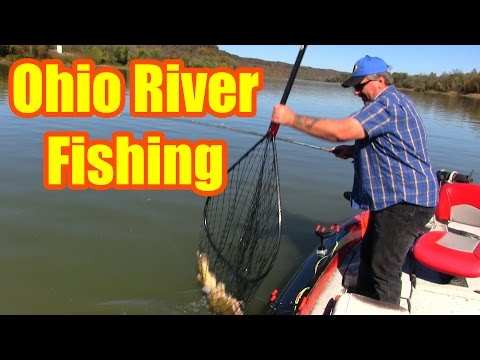
An Ohio River guide that talks about trophy fish should also remind anglers to plan the landing before the fish is beside the boat. For trophy-cat situations, HydroWeb Trophy Catfish Landing Nets and the current HydroWeb landing nets category fit naturally after the article explains the landing problem. The product mention should serve the fish-handling workflow, not interrupt the river-tactics lesson.
Related Ohio River reading
- For a broader tactical article, read River Structure and Boat-Control Tactics for Trophy Catfish.
- For bait and rig decisions, read Catfish Bait and Rigging Guide.
- For cold-water blue cats, read Predicting Winter Blue Catfish Movements on Rivers.
- For an Ohio River tournament planning example, read 2026 Ohio Valley River Cats Rising Sun Catfish Tournament Guide.
Related Ohio River videos
- Ohio River Action: Fishing for Blue catfish around mussel beds
- Let me show you the easiest way to catch catfish on the Ohio River
- Ohio River fishing: Anchoring on River bends
- Flathead catfishing on the Ohio River
- Barge bite on the Ohio River
Put the pieces together on the river
The best Ohio River catfishing setup starts with the water in front of you. Read the current, choose the structure, set the boat so baits fish naturally, and use gear that keeps the spread stable while the river does the work.