🎣 Check out our universal aluminum bases

Catfish Bait and Rigging Guide: Skipjack, Shad, Cut Bait, Chicken Liver, and River Rigs

Bait and rigging guide
Use this guide to make water conditions, bait choice, rigging, and rod spread work together.
- Match bait to target fish and current.
- Explain rigging choices with scannable decision cards.
- Send readers to related structure, bank, and seasonal guides.
Catfish bait and rigging work best when they match the water, the fish, and the way the bait is being presented. Skipjack, shad, cut bait, chicken liver, and river rigs can all have a place, but none of them replace reading the spot and setting the bait where a catfish can find it.
Use a catfish bait and rigging chooser before tying a rig
Big-river blue cats
Bait directionFresh or well-kept cut bait, skipjack, or shad where legal and available.
Rigging thoughtKeep the bait fishing near current edges, ledges, bends, or food-source structure.
Smaller channel cats
Bait directionChicken liver and smaller bait options can be part of the plan.
Rigging thoughtUse a hook and wrap method that keeps soft bait in place.
Snaggy bottom
Bait directionUse bait size that still presents cleanly.
Rigging thoughtConsider rig choices that reduce hangups without hiding the bait.
Bank fishing
Bait directionChoose bait that can be cast and held in the target lane.
Rigging thoughtBalance sinker weight, leader length, and rod angle from shore.
Cold water
Bait directionMatch bait size and soak time to slower fish movement.
Rigging thoughtUse the seasonal pattern before changing everything at once.
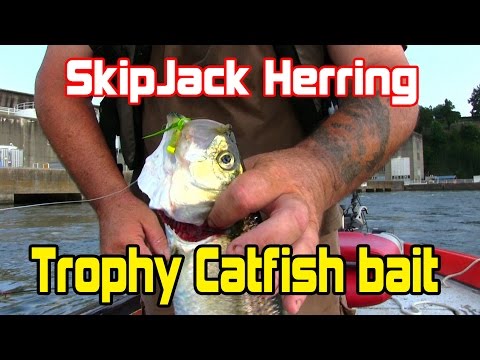
Catfish bait and rigging for skipjack, shad, and cut bait
Good catfish bait and rigging depends on scent, profile, and keeping the bait in the strike zone. Fresh bait matters, but so does how it is cut, stored, hooked, and presented. A big bait in the wrong lane is still wrong; a simple bait in the right current can be the better decision.
When skipjack is the main bait question, use How to Catch and Prepare Skipjack for Catfish Bait for the narrower catching, cutting, freezing, and bait-size workflow instead of making this pillar carry every detail.
Chicken liver and soft bait
Chicken liver is useful for some channel-cat situations, but it needs a rigging approach that keeps it on the hook. Treat it as a specific tool, not a universal answer. If it will not stay on through the cast or current, change the rigging method before blaming the spot.

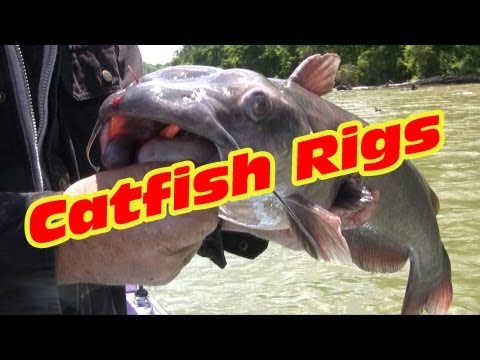
Catfish bait and rigging starts with core river rigs
Most catfish bait and rigging choices are trying to solve a few repeat problems: keep bait near the bottom or in the chosen lane, let a fish take the bait cleanly, reduce snags, and survive the cast. Double-hook rigs, three-way slider rigs, floating presentations, no-snag ideas, and simple bottom rigs all belong in the toolbox when they match the water.
For condition-by-condition rig choice, read Best Catfish Rigs for Rivers. This pillar stays the broad bait and rigging hub while the river-rig spoke handles slider, double-hook, floating, Kentucky, no-snag, walking-bait, and drift presentations in more detail.
Rod spread and landing workflow
Rigging does not stop at the hook. When multiple baits are soaking, stable rod holders and the right rod-holder bases can help keep lines organized while the bait works. If the bait plan is aimed at trophy fish, HydroWeb landing nets belong in the landing plan after the rigging decision is made.
Where to go next
- For river-rig selection by condition, read Best Catfish Rigs for Rivers.
- For skipjack catching, cutting, and storage, read How to Catch and Prepare Skipjack for Catfish Bait.
- For current, bends, and boat positioning, read River Structure and Boat-Control Tactics for Trophy Catfish.
- For Ohio River examples, read Ohio River Catfishing Guide.
- For shore setup, read Bank Fishing for Catfish.
- For cold-water blue cats, read Predicting Winter Blue Catfish Movements on Rivers.
Keep the bait decision tied to the water
The best catfish bait and rigging plan is the one that keeps a believable meal where the fish are using the river. Pick the bait, choose the rig, set the rods, and adjust one piece at a time when the fish show you something different.